Flat to house removals Kingston narrow stair access example
Moving from a flat into a house sounds straightforward until you meet the staircase. One tight landing, a sharp turn, a low bannister, or a narrow front door can change the whole job. That is why a Flat to house removals Kingston narrow stair access example is worth understanding before moving day arrives. It shows how a home move can be planned properly when access is awkward, furniture is bulky, and nobody wants a scratched wall at 8am on a wet Kingston morning.
If you are leaving a flat and moving into a house in Kingston, you may already know the feeling: boxes everywhere, a sofa that suddenly looks twice its normal size, and that one wardrobe you swear will "probably be fine". Maybe. Or maybe not. This guide explains how these moves work, why stair access matters so much, and what good preparation looks like in the real world. It also gives you a practical example, a step-by-step process, and a checklist you can actually use.
Table of Contents
- Why it matters
- How it works
- Key benefits and practical advantages
- Who this is for and when it makes sense
- Step-by-step guidance
- Expert tips for better results
- Common mistakes to avoid
- Tools, resources and recommendations
- Law, compliance, standards, or best practice
- Options, methods, or comparison table
- Case study or real-world example
- Practical checklist
- Conclusion
- Frequently asked questions
Why it matters
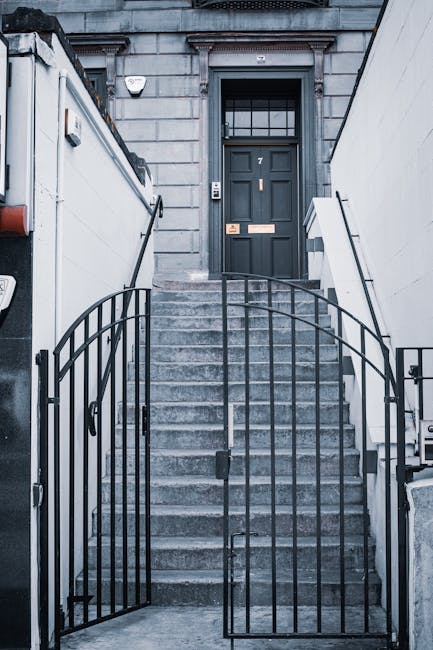
Narrow stair access is one of those details people underestimate until they are already carrying a mattress halfway up the stairs. In Kingston, that matters even more because you often deal with a mix of older homes, converted flats, terraces, maisonettes, and compact street layouts. A move from a flat to a house can sound like an upgrade, but the access route between the two properties may be the real puzzle.
When stairs are narrow, the risks are simple: damage, delay, stress, and in some cases, injury. A wardrobe can snag on a wall corner. A bed base can twist awkwardly on the landing. Fridges, sofas, and appliances are the usual troublemakers because they are heavy, awkward, and not very forgiving. To be fair, most people do not notice these issues until they are standing on the first step with someone else saying, "Shall we just tilt it?"
This is why a good removals plan starts with access, not boxes. A proper flat-to-house move should take into account the staircase width, the shape of the landing, handrails, ceiling height, parking distance, and whether large items can be turned safely. It is not just about getting things from A to B. It is about getting them there without drama.
For some households, the better route is a carefully timed man with van service supported by a clear loading plan. For larger homes or heavier furniture, a more structured approach may be closer to what you would expect from house removalists or a fuller home move. The right choice depends on access, volume, and how much lifting is involved.
How it works
In a narrow-stair removal, the process is usually planned around the route rather than just the van. The team works out what needs to be taken first, what needs protection, and which pieces may need to be dismantled before moving. That is the part many people never see, but it is often what saves the day.
A typical flat to house removals Kingston narrow stair access example follows this flow:
- Survey the access - check staircase width, turns, bannisters, headroom, and any awkward corners.
- Sort items by difficulty - bulky furniture, fragile items, and awkward shapes should be identified early.
- Decide what must be dismantled - bed frames, tables, shelving, or large wardrobes may need partial disassembly.
- Protect the property - floor coverings, blankets, and padding reduce scuffs and knocks.
- Load in the right order - the heaviest or most awkward items are usually handled first, while there is still energy and space to manoeuvre.
- Unpack with the destination layout in mind - placing items near the correct room reduces back-and-forth carrying.
Narrow access changes how the whole move feels. A normal-looking sofa may suddenly need a pivot, a pause, and two people communicating clearly. That means timing matters. Slow is not always bad. In fact, controlled movement is usually faster than rushing and having to stop because something is jammed in the stairwell like a bad episode of moving-day Tetris.
In practice, a reliable removals team will also think about parking. If the van cannot get close enough, the carry becomes longer, which affects the pace and the number of trips. This is why local knowledge can be useful. Kingston roads, side streets, and access restrictions can all affect how a flat-to-house move is sequenced.
Key benefits and practical advantages
A well-planned move with narrow stair access brings a few real advantages, and they are not just about convenience.
- Less risk of damage - careful handling and route planning reduce scratches to walls, bannisters, and furniture.
- Less stress on moving day - when everyone knows what comes first, the whole job feels calmer.
- Better use of time - preparation reduces stop-start chaos on the stairs.
- Safer lifting - awkward items are easier to manage when the route has been checked properly.
- More accurate quoting - access details help the mover estimate labour, vehicle size, and time fairly.
There is also a hidden benefit: decisions become simpler. If you know a wardrobe will not clear the stair turn, you can dismantle it the night before instead of discovering the problem at the exact moment a friend is already carrying the bottom end and everyone is trapped in a polite little silence.
If you are comparing options, it can help to think beyond the van itself. For example, if you need extra assistance with wrapping, disassembly, or room-by-room organisation, a service such as packing and unpacking support can take pressure off the day. It is not just about speed. It is about keeping the move manageable.
Who this is for and when it makes sense
This kind of move makes sense for anyone leaving a flat or apartment and moving into a house where access is tighter than expected. It is especially relevant if your current flat sits above street level, the stairwell is shared, or the furniture is not flat-pack friendly.
You will usually benefit from this approach if you are:
- moving from a first-floor or second-floor flat into a house
- carrying large furniture through a narrow shared staircase
- moving in or out of a converted building with awkward landings
- handling heavy items such as wardrobes, sofas, mattresses, or appliances
- trying to keep costs down by avoiding unnecessary delays or damaged goods
- short on time and need the loading plan to be done efficiently
It also makes sense for landlords, tenants, homeowners, and family members helping with a practical move after a tenancy ends. The same is true if you are coordinating a larger household transition and want one part of the move to feel predictable, which is not always easy, let's face it.
There is a difference between a light move and a tricky one. A few boxes and a lamp may be simple enough for a man and van style service. A full household load, especially with awkward access, may need more planning and a stronger vehicle setup, such as removal truck hire or a dedicated moving truck arrangement. The point is not to overdo it. The point is to match the method to the actual property.
Step-by-step guidance
If you want the move to run smoothly, treat it like a small project. Nothing glamorous, but it works.
- Measure the awkward bits
Measure the staircase width, the narrowest point on the landing, the door frames, and the furniture dimensions. Do this properly, not with a hopeful glance. A tape measure beats optimism. - Identify the problem items first
Make a short list of items most likely to cause trouble: sofa, mattress, wardrobe, fridge-freezer, bed frame, desk, or large mirror. These are the pieces that often decide the pace of the move. - Choose what will be dismantled
Flat-pack furniture often comes apart more easily than solid furniture. If something can be safely broken down into sections, do it before moving day. Keep screws and fittings in labelled bags. - Clear both properties
Hallways, staircases, and entry points should be free of clutter. Shoes, coats, bikes, recycling bins, and that mysterious chair everyone uses for storage all need to be moved. - Protect the route
Use blankets, floor protection, and edge protection where needed. Even careful movers can knock a wall if a turn is tight. - Load in the right sequence
Take the hardest items first while everyone is fresh. Smaller boxes can fill the gaps later. This avoids the common mistake of burying a sofa behind 14 random boxes and a lamp. - Keep communication simple
One person should guide the carry when stairs are tight. Too many voices can make a narrow staircase feel even smaller. - Place items by room at the destination
Label boxes clearly and keep bigger furniture near the room it belongs in. That saves time when the unloading starts.
A practical tip: if you think an item is borderline, assume it will be awkward. That sounds cautious, but it avoids the sort of move where everybody stands still for three minutes deciding whether a sofa can be rotated like a tiny battleship through the hallway.
Expert tips for better results
Here is where experience really helps. The basics matter, but so do the small details that only show up when you have carried more than a few staircases worth of furniture.
- Check the staircase shape, not just the width - a curved stairwell is often harder than a straight but narrow one.
- Protect corners and banisters early - once a mark is made, it is hard to ignore.
- Use two-person handling for awkward items - especially wardrobes, mattresses, and tall mirrors.
- Leave a little breathing room - a move feels easier if there is time to pause and re-grip safely.
- Keep a tool kit ready - Allen keys, screwdrivers, tape, knife, labels, and marker pens save a lot of faff.
- Plan for weather - a damp entrance or slippery steps in Kingston rain can turn a routine carry into a careful shuffle.
One thing people often miss is how much fatigue changes judgement. The first heavy lift of the day is not the same as the sixth. A good mover keeps an eye on pace, because tired hands and tight stairs do not mix well.
If you are also clearing out items that will not be going to the house, it may help to look at furniture pick-up options or even disposal services for bulky pieces. For mattresses and sofas, separate handling can be more efficient than trying to squeeze everything into the same job. Sometimes less really is more.
Common mistakes to avoid
The same issues come up again and again. Most are avoidable, which is the annoying part, because people only realise after the damage is done.
- Assuming the furniture will fit - measuring only the item, not the route, is a classic mistake.
- Leaving dismantling until moving day - this creates delays right when everyone is already working hard.
- Ignoring parking distance - a longer carry increases time and fatigue.
- Not protecting floors and walls - small knocks become expensive regrets.
- Packing boxes too heavily - the heaviest box in the world is not a badge of honour.
- Failing to label rooms clearly - this slows unloading and makes the new house feel messier than it is.
- Leaving the access check too late - if the stairwell is narrow, everyone needs to know before the van arrives.
There is another subtle mistake: trying to make every item fit at all costs. Sometimes the smartest answer is to dismantle, reduce, or replace one piece rather than forcing it through a difficult route. That may feel a little defeatist in the moment, but it is usually the calmer, cheaper option.
Tools, resources and recommendations
You do not need specialist machinery for every move, but having the right tools close at hand makes a narrow-access job much less stressful.
Useful tools and materials:
- measuring tape
- marker pens and labels
- packing tape
- blankets and furniture covers
- strap ties or rope for securing items in transit
- screwdrivers and Allen keys for dismantling furniture
- floor protection for entrances and stairs
- gloves with a firm grip
Practical recommendations:
- Take photos of awkward items before dismantling them.
- Label each bag of fixings with the item name.
- Keep kettle essentials, chargers, and documents in one easy-to-access box.
- Separate anything fragile before the rush starts.
- Use room labels on the destination boxes so unloading is quicker.
If you are comparing service levels, it helps to look at the wider move, not just the single item. A fuller home move may be more suitable than a simple man-and-van booking if you have several large pieces and limited stair space. For some households, a larger vehicle and a more structured loading plan offer better value than a shorter, cheaper booking that ends up taking longer because the access is awkward.
Law, compliance, standards, or best practice
For a private household move, the most relevant point is usually not a niche legal rule; it is duty of care and safe handling. In plain English, you should take reasonable steps to avoid injury and damage. That means safe lifting, clear routes, sensible loading, and honest communication about access.
Good practice in the UK removals sector typically includes:
- planning the lift before anyone starts carrying
- using suitable equipment and enough people for heavy items
- protecting property where contact is likely
- not forcing an item through a route that is clearly too tight
- being transparent about limitations, timing, and access issues
If a move involves bulky appliances or items that need specific handling, it is sensible to check whether the removal provider has a clear health and safety policy and appropriate insurance and safety arrangements. That does not remove every risk, of course, but it is a good sign that the work will be approached properly.
For waste or unwanted items, disposal should be treated separately from the move itself. If you are getting rid of old furniture, appliances, or other materials, use the right route for the item rather than just leaving it to chance. There are also useful pages on recycling and sustainability and what can go in a skip if you are working through what to keep, donate, or remove.
Options, methods, or comparison table
There is no single best approach for every flat-to-house move. The right method depends on access, volume, and how much help you need on the day.
| Method | Best for | Pros | Watch-outs |
|---|---|---|---|
| Man and van | Smaller moves, a few large items, lighter loads | Flexible, often efficient, good for short local jobs | May be less suitable for multiple bulky items with awkward stair access |
| House removalists | Fuller household moves with furniture and boxes | More structured, better for complex loads | Needs accurate access details to avoid delays |
| Removal truck hire | Larger loads or moves needing more capacity | Space for bigger volumes, easier to stage items | Still depends on good planning and safe lifting |
| Packing and unpacking support | Busy households, fragile items, or time-poor moves | Less stress, better organisation, faster settling-in | Best used as part of a broader plan, not a last-minute fix |
In a narrow stair access example, the key question is not "what is the cheapest option?" It is "which option can actually get the furniture through safely without dragging the day out?" That is a more honest question, and usually the more useful one.
Case study or real-world example
Here is a realistic example. A couple move from a second-floor Kingston flat into a small terraced house nearby. The flat has a narrow internal staircase, a sharp left turn on the landing, and a bannister that cuts into the usable width. Their biggest items are a corner sofa, a king-size mattress, a wardrobe, and a dining table.
The first thing they do is measure the staircase and the wardrobe. The wardrobe is just too awkward in one piece, so they take it apart the night before. They also empty the sofa cushions, wrap the mattress, and label the box of fixings. The hallway is cleared at both ends, and parking is arranged as close to the building as possible.
On moving day, the largest items are loaded first. The sofa takes a careful pivot on the landing, with one person guiding the top end and another managing the base. It is not fast, but it is controlled. A blanket is placed where the wall corner is tight. The table legs are removed before loading, which saves a small but meaningful chunk of stress.
By early afternoon, the move is done. Not because everything was simple, but because the tricky parts were handled before the van arrived. That is the real lesson. Most access problems are not solved by strength. They are solved by preparation, timing, and not pretending a narrow stairwell is going to "sort itself out".
If this sounds like the kind of move you are planning, the best next step is usually a careful assessment and a clear booking plan rather than guesswork. That one change alone can save a lot of back-and-forth later.
Practical checklist
Use this before moving day. It keeps the job grounded.
- Measure the staircase, landings, and doorways at both properties
- List the largest and heaviest items separately
- Decide which furniture needs dismantling
- Label screws, fittings, and hardware bags
- Clear hallways, stairs, and entry points
- Confirm parking access for the van or truck
- Protect floors, corners, and banisters
- Pack a box of essentials for the first night
- Separate items for disposal, recycling, or furniture pick-up
- Double-check the moving time and contact details
Expert summary: if the staircase is narrow, do not treat access as a footnote. It is part of the move itself. Measure first, dismantle when sensible, protect the route, and choose the service level that fits the load. Simple advice, really, but it saves a lot of bother.
Get a free quote today and see how much you can save.
Conclusion
A flat to house move in Kingston is rarely difficult because of distance. It is difficult because of access. Narrow stairs, awkward turns, shared entrances, and bulky furniture can all slow things down if they are not planned properly. The good news is that most of those problems are predictable. And if something is predictable, it can usually be handled.
That is the point of this guide: to help you think ahead, not just move faster. With accurate measurements, sensible packing, and the right service choice, even a cramped stairwell becomes manageable. Not perfect, maybe. But manageable, yes.
And honestly, that is what most people need on moving day: a calm plan, a steady pace, and the feeling that somebody has thought it through. That alone can make the whole day feel lighter.
Frequently Asked Questions
What does a flat to house removals Kingston narrow stair access example actually mean?
It refers to a move where the starting flat or the destination house has tight staircase access, making the handling of furniture and boxes more difficult than a standard move.
Why is narrow stair access such a problem on moving day?
Because large furniture can snag on corners, damage walls, or require dismantling. It also slows the move down and increases physical strain if the route is tight.
Should I measure my staircase before booking a removal service?
Yes. Measuring the staircase, landings, and doorways helps the mover plan properly and can prevent surprises when large items are carried through.
Can a sofa usually fit through a narrow stairwell?
Sometimes, but not always. The shape of the sofa matters as much as the width of the stairs. Corner sofas and deep sofas are often the trickiest.
Is it better to dismantle furniture before the move?
Usually, yes, if it can be done safely. Dismantling wardrobes, bed frames, and tables often makes a narrow-access move much easier and safer.
What items cause the most trouble in stair access moves?
Sofas, mattresses, wardrobes, fridges, washing machines, and bulky shelving units are the most common troublemakers because they are heavy and awkward to turn.
How do I reduce the risk of damage during a narrow staircase move?
Use floor protection, wrap furniture, protect corners and bannisters, and make sure one person is guiding the lift. Clear communication helps a lot too.
Do I need a bigger van for a flat-to-house move with awkward stairs?
Not always, but sometimes. A larger vehicle or a more structured removals setup can make sense if you have a fuller load or several heavy pieces.
What should I tell the mover before moving day?
Tell them about the staircase width, any sharp turns, parking limits, heavy furniture, fragile items, and whether anything needs dismantling.
What if my furniture will not fit through the stairs?
Then you may need to dismantle it, use a different route if available, or consider whether the item is worth moving at all. That last bit is not always popular, but it can be the sensible choice.
Are packing services useful for this type of move?
Yes, especially if you are short on time or have fragile items. Good packing support can make unloading and room placement much easier later.
How early should I prepare for a narrow access move?
Ideally a few days in advance, or longer if you need to dismantle furniture, clear clutter, or arrange disposal for old items.
Can old furniture and unwanted items be removed at the same time?
Often, yes. If you are clearing out bulky items, it can be useful to separate what will be moved from what will be removed or recycled, so the house move stays organised.
What is the smartest first step if I am unsure about access?
Measure the route and list the biggest items. Once you know the dimensions and the awkward pieces, it becomes much easier to plan the move properly.